The Panthers fanbase dropped to their knees in shopping centres across the country today as it was announced that Brian To'o will be leaving the Penrith Panthers at the end of the 2027 season.
Cries rang out across Sydney's Outer West, flags were lowered to half-mast and, somewhere, a Penrith fan was probably questioning whether rugby league was worth following anymore.
As first revealed by Zero Tackle in May, and now confirmed by both the Panthers and Chiefs, To'o will join the PNG Chiefs on a three-year contract in just over 12 months, bringing an end to one of the most recognisable partnerships of the club's dominant era.
To'o has been the main man on the right wing for Penrith since making his NRL debut in 2019, going on to play 151 games for the four-time premiership-winning side. He has also appeared in every single one of the Panthers' four Grand Final victories and is now on the verge of reaching the 100-try milestone.
Quite simply, To'o personifies Penrith.
So, as Michael Chammas continues to mask himself as Nick Fury and assemble the Avengers, all eyes are now on Penrith and whether the dynasty is well and truly done.
The departures have begun to pile up, and with To'o now joining the likes of Jarome Luai, Stephen Crichton, James Fisher-Harris and Sunia Turuva in moving on from the club in recent years even as their success has rolled on, it is becoming increasingly difficult to argue that Penrith are the same side that dominated the competition.
What if this is actually a good thing?
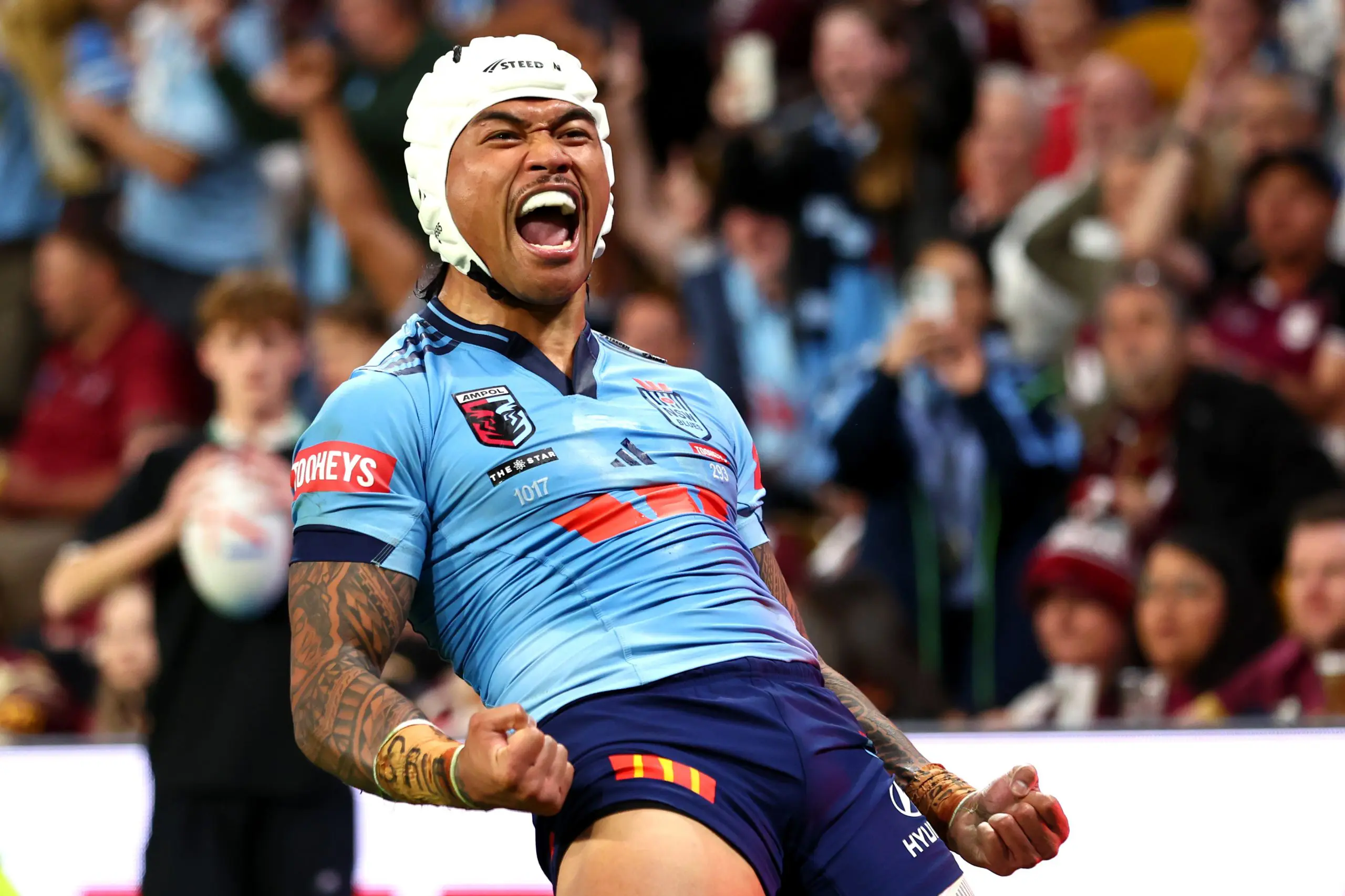
In no way am I suggesting To'o is now washed up. That is an argument I genuinely hate.
While Laurie Daley's decision to leave him out of the NSW side for Game 3 ultimately ended with the Blues securing a series victory, To'o remains an Origin-worthy player and one of the most damaging wingers in the NRL.
However, there is no denying that this has been a less dazzling year for To'o at the Panthers, and his departure could provide the club with something that has become increasingly difficult to find during the salary-cap era: room to keep the players who matter most.
From November 1, Nathan Cleary, Isaah Yeo and Liam Martin among others will all be free to negotiate with rival clubs.
If Penrith are to keep any of the DNA that made their dynasty so successful, these three players must be considered non-negotiable. Cleary remains the obvious centrepiece of the side, while Yeo has developed into the leader and trusted lock that Penrith need to continue their success. Martin's importance has also grown with the modern game, and his combination with Cleary gives the Panthers a genuine premiership threat through the middle and on the edge.
That is where To'o's departure becomes a little easier to understand. The Panthers cannot keep everyone, and if losing one player allows them to retain three of the most important pieces of their current team, then it could ultimately be the right decision.
That does not make the loss of To'o any less significant, particularly given what he has provided Penrith over the past seven years, but the club has to look beyond what the winger has meant to the dynasty and towards what the next version of the Panthers needs to look like.
To'o's ability to finish, carry the ball out of trouble and get Penrith onto the front foot has been one of the defining features of his game, and replacing that will not be easy.
However, the Panthers have already begun to develop alternatives, with their newfound reliance on Thomas Jenkins providing them with some hope on the wings. The loss of To'o would have been far more damaging had Penrith not already found brilliance in Jenkins, who has crossed for 28 tries this season.
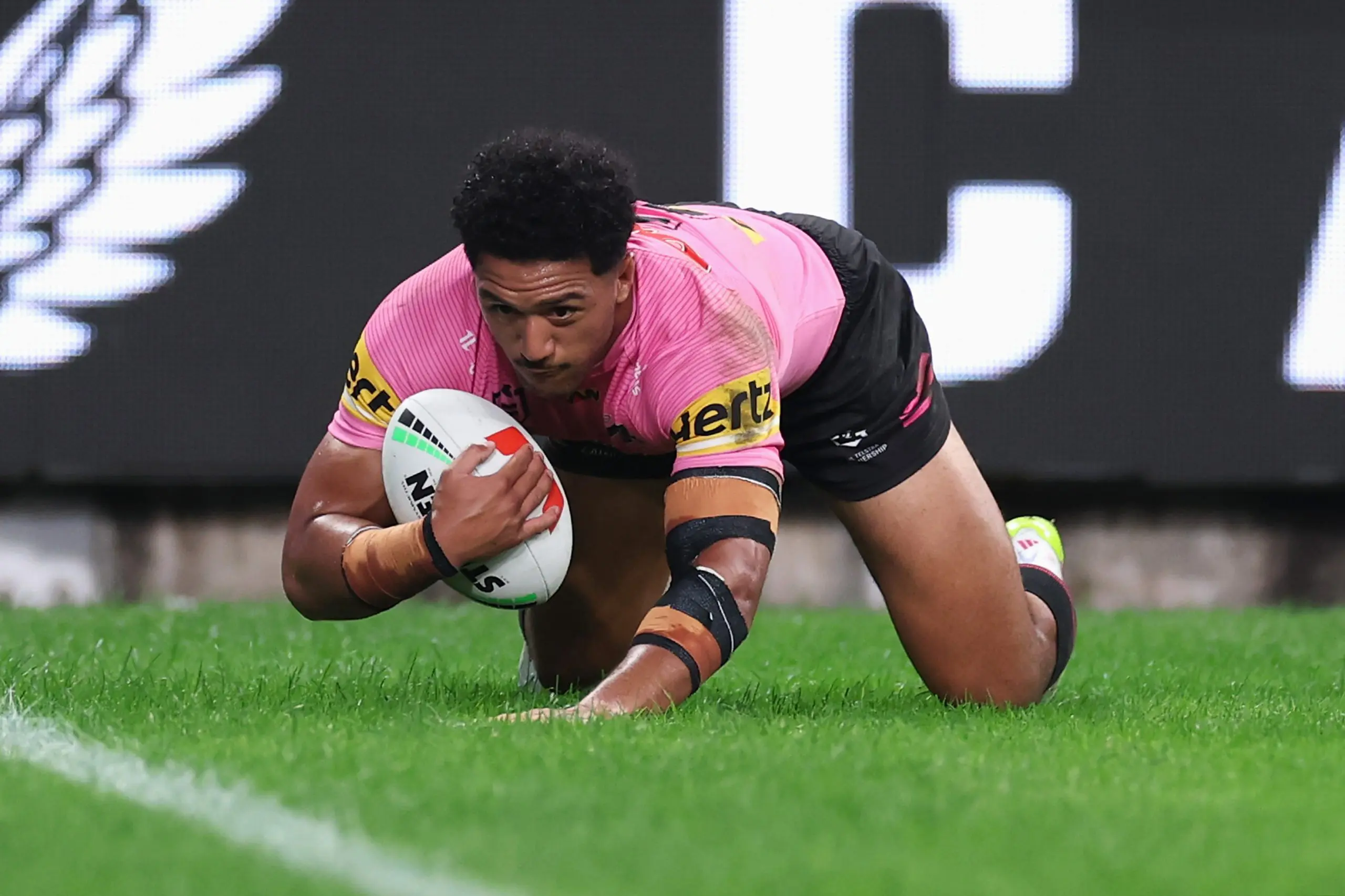
That hope will quickly disappear, however, if they cannot lock down Paul Alamoti.
The outside back will also be available from November 1, and keeping him at the foot of the mountains would make To'o's departure considerably easier to stomach.
Some will point towards To'o's height as one of his biggest downfalls, particularly when defending against bigger opposition, but according to the Penrith Panthers profiles, Alamoti is only one centimetre taller than To'o.
The club is hardly replacing a small winger with an enormous aerial threat, yet no one ever mentions Alamoti's small stature.
That is because of To'o's nugget-like charging technique, making himself smaller to crack through defensive gaps. That is perhaps the biggest challenge facing Alamoti, or any other replacements.
To'o can certainly be exposed against bigger opposition because of his height, but that has always been the case. He has never been a giant winger, yet he still managed to establish himself as one of the best in the competition.
His departure should not be framed around the idea that Penrith are simply getting rid of a player who has suddenly become a liability, because that is not the case. They are losing an elite winger who has been an enormous part of their success, but they are also making a decision based on what their salary cap and future roster require.
The loss of To'o is huge and would have been monumental for Penrith a couple of years ago, but the club are now in a different stage of their development. The dynasty is changing, whether they like it or not, and their challenge is no longer about keeping every single player who helped create it. It is about deciding which players are essential to building whatever comes next.
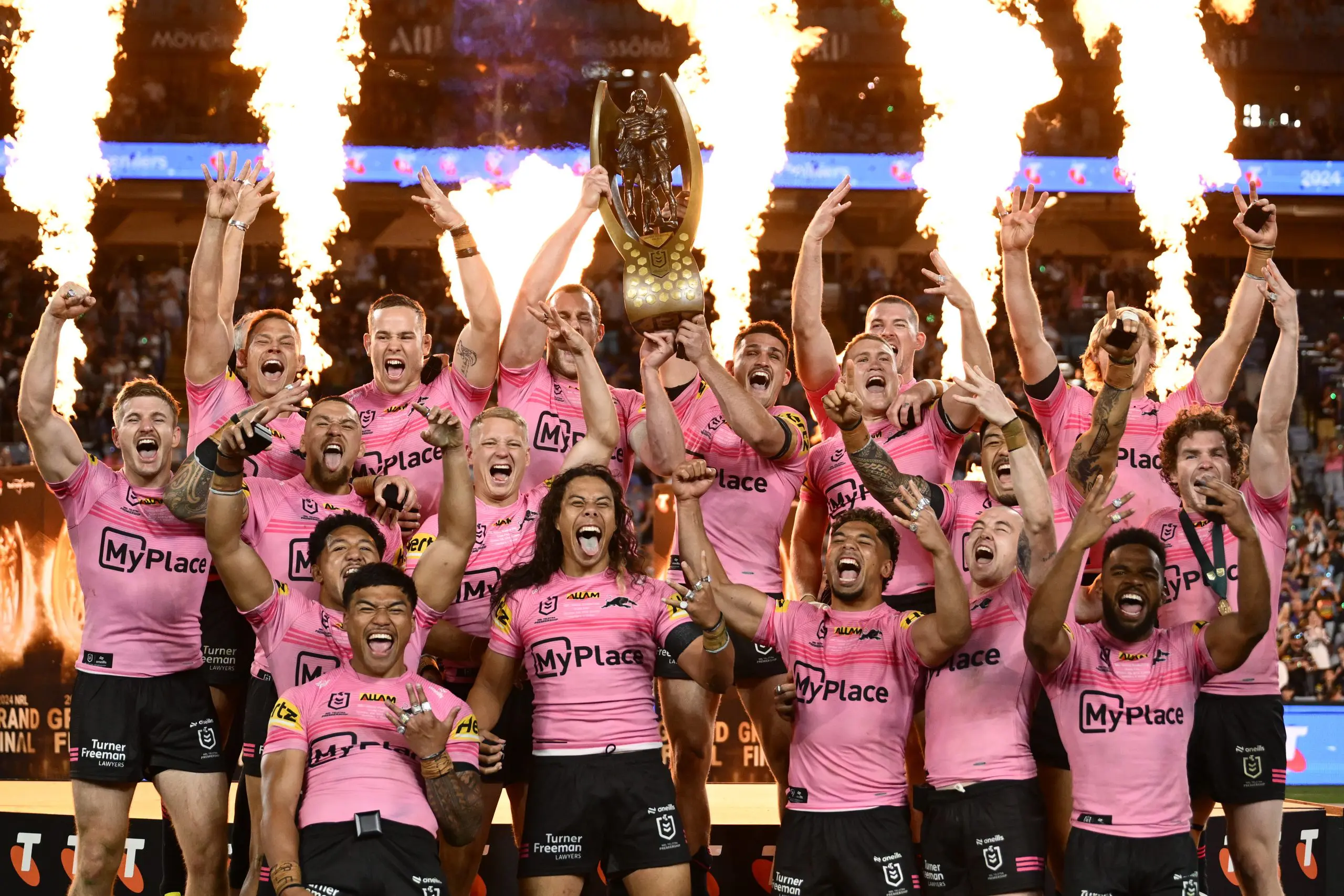
If Penrith can use the space created by To'o's departure to secure Cleary, Martin and Yeo, while also retaining Alamoti and continuing the development of Jenkins, then perhaps the end of To'o's time at the club does not have to signal the end of the Panthers' premiership window.
It may simply be the sacrifice they had to make to keep the next four pieces of the puzzle.