The NRL are set to blow the AFL out of the water by around a billion dollars, with the richest TV deal in the sport's history set to be signed this week.
It has been widely reported in recent times that, after originally splitting to make their own separate bids, Channel Nine and Fox Sports have come back to the table to ensure they would retain the sport on their respective networks.
Both networks need the NRL, and will will reportedly continue working in tandem over what is believed to be a seven-year, $5.3 billion deal that will run from the start of 2028 through to the end of 2034, per a News Corp report.
It's understood the deal will be agreed to in principle over the next 48 hours, with an Australian Rugby League Commission board meeting to ratify the deal on Wednesday evening.
Under the terms of the agreement, the NRL will look similar on TV as it does now - three games exclusively on the Nine Network each week, and the rest, including the new ninth game of each week, exclusive to Foxtel, who will broadcast on Fox Sports and Kayo Sports.
The change however is that Foxtel are now on-selling games to Nine and will be the host broadcaster, with the free-to-air network having less sway over which fixtures it will get each week, potentially locking bigger games behind a paywall.
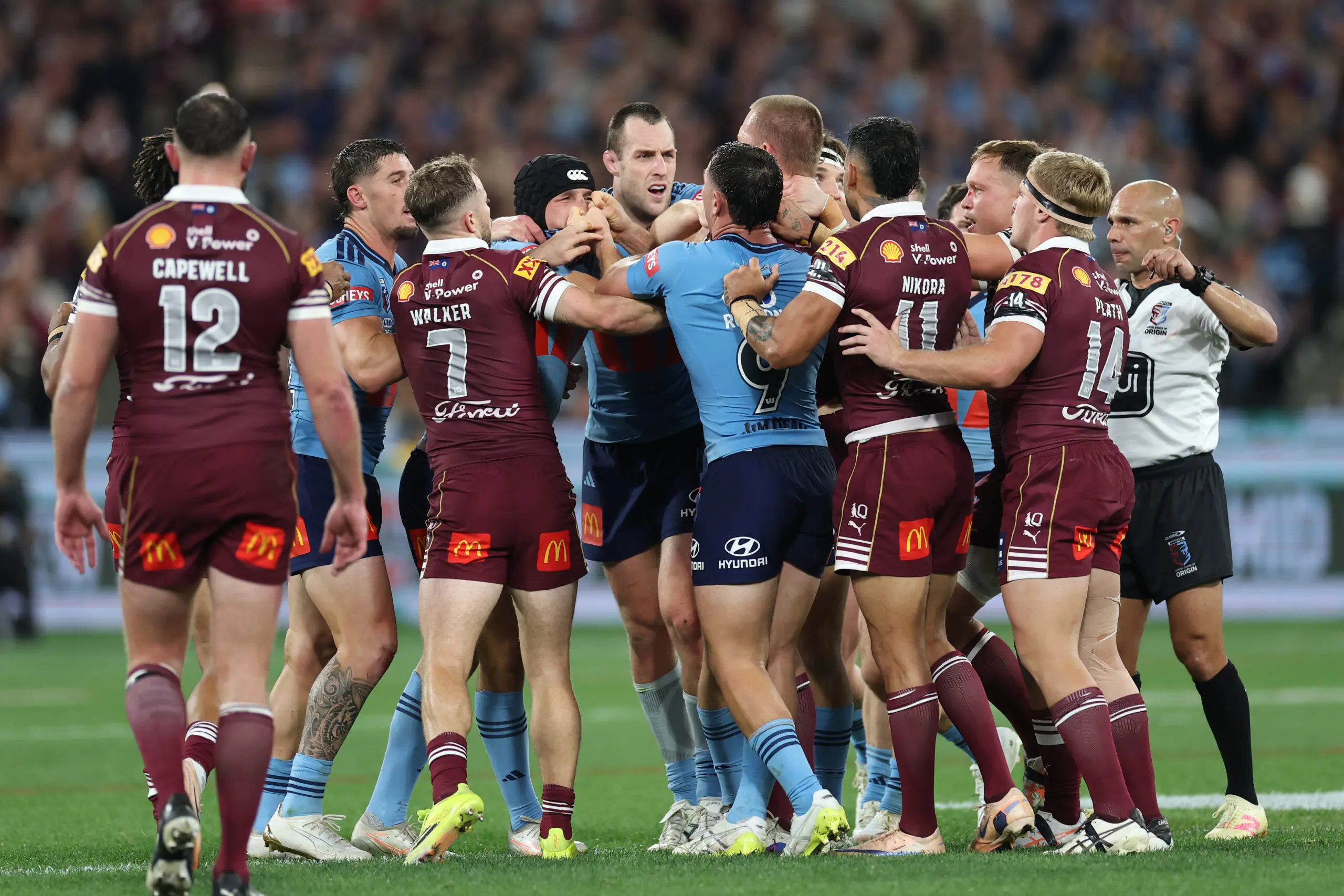
It's also believed that State of Origin and the grand final will remain exclusive to Channel Nine, while a clause has also been included to allow for a 20th team - most likely in New Zealand - to be included by either the 2029 or 2030 season.
There have been a number of floated bids from New Zealand for a second team, and it's now believed of the bids will win out over any potential of another team in Queensland joining the competition as rugby league continues to go from strength to strength across the Tasman.
It's understood that clause will allow the deal to grow by around $50 million per year across the two networks, with a tenth game per round to be added, and more money available in New Zealand as a result of a second club.
It was reported elsewhere that Channel Nine were set to make a last-ditch play to gain the NRL exclusively, with the network to use Stan Sport as their pay-TV product, but it's unlikely that will occur.
Fox Sports, when originally splitting from Nine, were also set to onsell games to Channel Seven and Channel Ten, however, both networks will miss out, with Seven unable to find the money. Amazon Prime also launched a bid, but have been overlooked.
It's unclear at this stage where the ninth game of each round will slot in, with some suggestions an extra fixture on Sunday, or a return to Monday Night Football, willbe considered.
A formal announcement of the agreement is expected next week and will bring two of Peter V'Landys' visions to life - first, that the deal be done before Andrew Abdo departs as NRL CEO for a role with Tennis Australia, and that the deal be the richest in the code's history.
What it does likely also mean more broadly is the NRL's salary cap will continue to rise despite some suggestions TV deals would fall in the next round of negotiations.
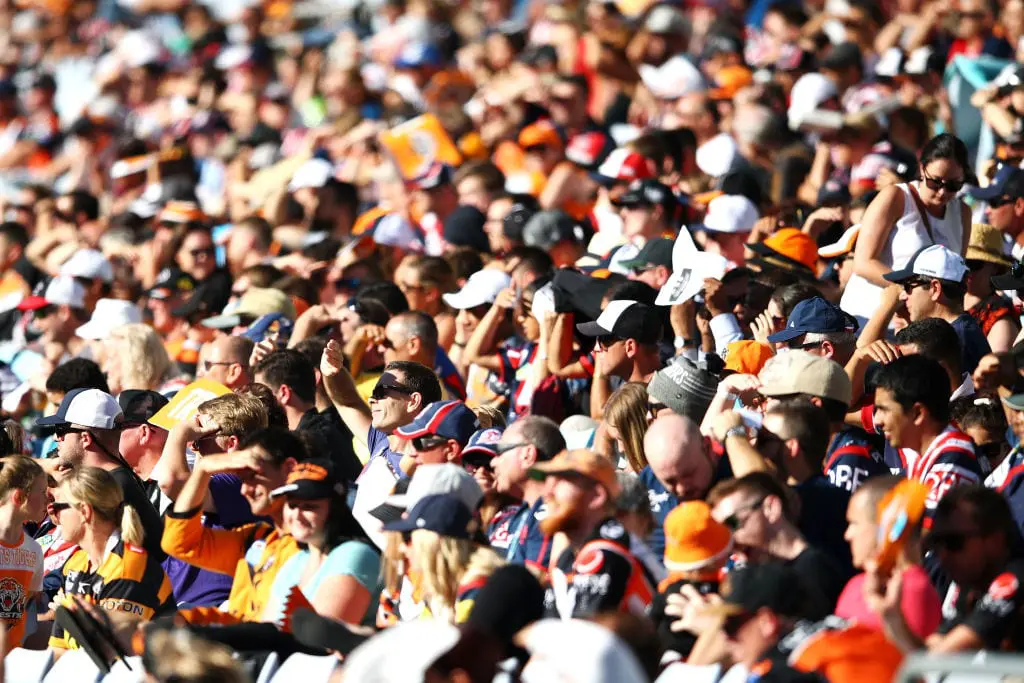
Networks have been concerned over their financial positions, and there was a feeling they may not be able to justify a price increase, but the way NRL has taken off in both crowd numbers and TV ratings in recent times has the sport in as positive of a position as it has ever been.
Another point that will become clear in the coming months is what it means for a Kayo Sports subscription cost, which has risen multiple times in recent years.
At the press conference announcing Abdo's departure as the game's CEO, V'Landys made it clear that subscription cost and the barrier to entry for the average fan would be taken into account at the negotiating table.
"As I've said all along, it's not about the money, it's about making sure our fans can afford the subscription. We aren't going to make the cost prohibitive," V'Landy's said in May.
"The greatest negotiation isn't how much we get, it's how much is going to be charged back to the fan. Any person, any broadcaster will naturally want to recoup what they want to invest in the broadcast because they aren't there to make a loss, they are there to make a profit.
"The last thing we want to see is that the cost becomes prohibitive, so that's going to be the hardest part of the negotiation."