


NRL clubs will be banned from employing wrestling coaches ahead of the 2027 season, with the league also preparing to introduce tougher automatic penalties for hip-drop tackles.
The sweeping changes follow a review of several areas of the game, with the NRL looking to address concerns surrounding wrestling techniques at training and dangerous contact during matches.
Wrestling coaches and techniques have become an increasingly prominent part of rugby league, with almost every club incorporating specialised wrestling sessions into their weekly training schedules.
The Melbourne Storm have been at the forefront of the practice, having employed a wrestling coach since 2001, with the techniques viewed as a way to slow down the ruck and improve players' tackling technique.
However, the NRL has now moved to put an end to the practice, with the decision pushed by coaches Wayne Bennett, Ivan Cleary and Ricky Stuart during a committee meeting on Monday.
ARL Commission chairman Peter V'landys made the final decision, informing clubs of the impending ban on Wednesday.
Exactly how the NRL will police the ban and ensure clubs are complying with the new regulations is still being worked through.
The changes will also extend to hip-drop tackles, with the NRL preparing to introduce an automatic suspension for any player charged with dangerous contact for a hip-drop tackle, replacing the current $1000 fine.
The proposed crackdown comes after the 2026 finals series was rocked by Penrith Panthers halfback Nathan Cleary suffering a compound fracture following a hip-drop tackle from Newcastle Knights hooker Phoenix Crossland.
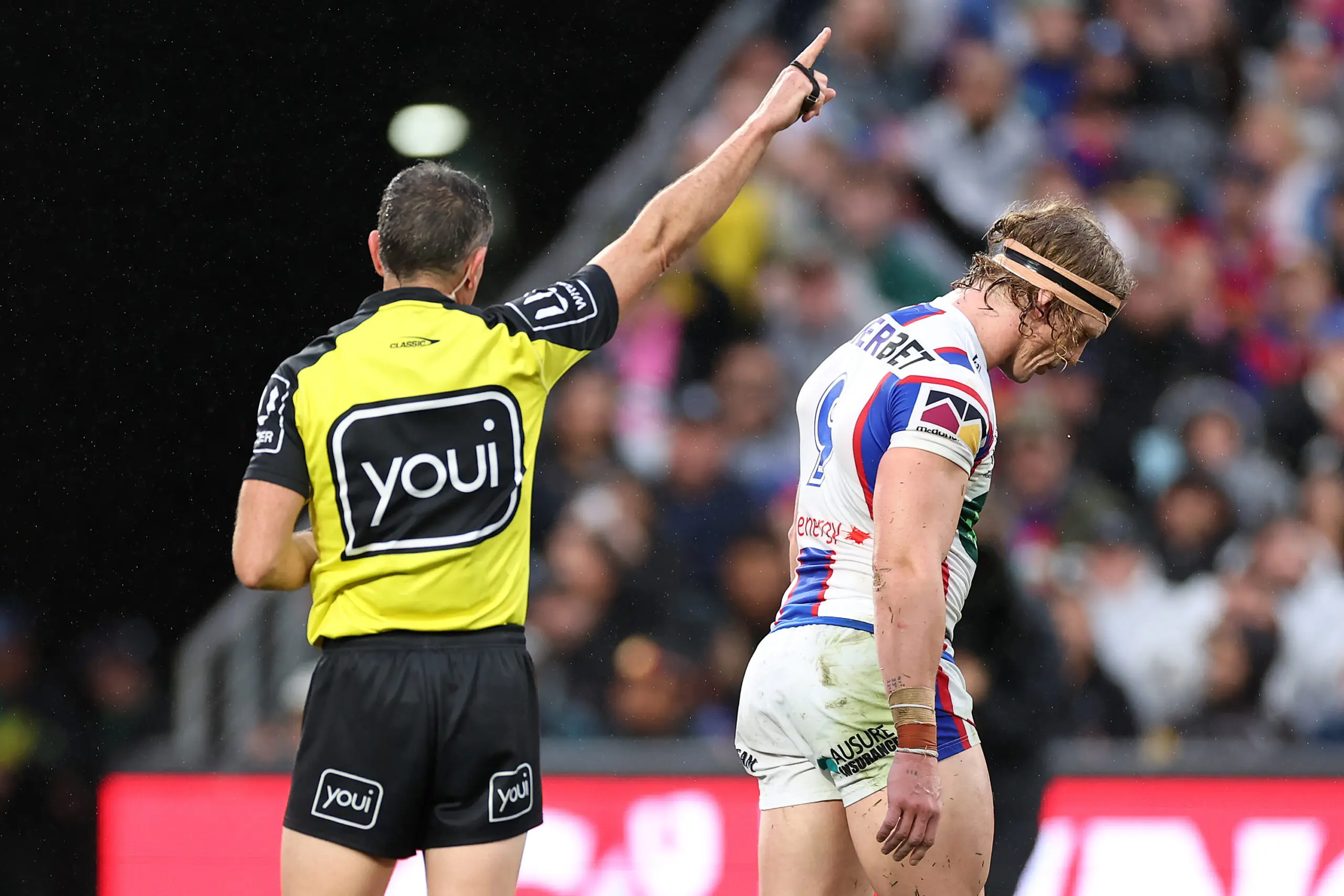
Crossland was subsequently handed a four-game suspension for the incident.
However, several other players escaped with fines for similar incidents throughout the 2026 season, including Apisai Koroisau, Victor Radley, Isaiya Katoa, Junior Paulo and Morgan Knowles.
Under the proposed changes, those players would have faced automatic suspensions rather than financial penalties.
The NRL's intention is to introduce a stronger deterrent against the tackle, with the changes set to come into effect for the 2027 season as the competition continues its efforts to improve player safety.