



The fight for the title as the NRL's 20th team is heating up, and the Southern Orcas, hailing from Christchurch, are ready to enter the premier rugby league competition before the turn of the decade.
The South Island-based project recently met with the ARL Commissioner Peter V'landys and NRL chief executive Andrew Abdo in Christchurch to discuss their ambitions to take part in the code's expansion plans.
If they are successful in their bid, the Orcas will inscribe their name in history as the second NRL team in New Zealand - a fitting reward for the growing appetite for the 13-man code across the Tasman.
The New Zealand Warriors have capitalised on the exceptional growth and increased prosperity of rugby league in the country, showcased with continuous sell-outs in Auckland, while also displaying the full house sign in Wellington on Anzac Day, and most-recently in Christchurch.
Former Kiwis coach Sir Graham Lowe and managing director Andrew Chalmers lead the Orcas' push to NRL glory, and after failed bids in previous years, they are ready to match the high standards demanded by the NRL head honchos.
Chalmers hinted there could be an announcement around the corner as to what the future of the Orcas means as an NRL franchise.
"We're working very, very hard to make what is, very, very high bars in terms of getting a license," Chalmers told Zero Tackle.
"The NRL, as a business, they're very methodical and structured in what they're doing, and we're confident that we can meet all those requirements, (and) we'll have announcements that are relevant to that in the coming weeks."
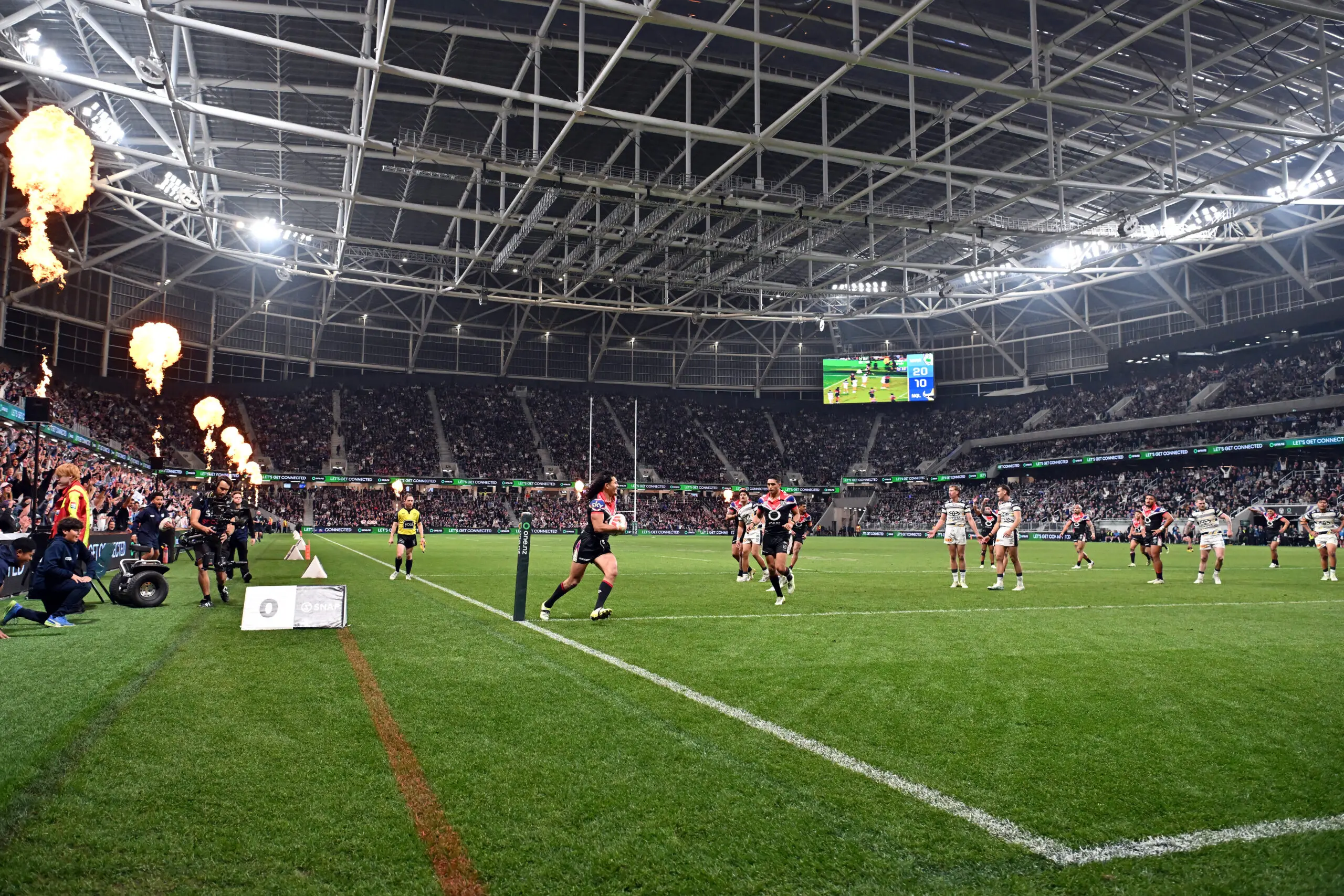
Christchurch got its first glimpse as an NRL location when the Warriors hosted the North-Queensland Cowboys at the flashy new One NZ Stadium in the city.
The historic event was met with warm reception and builds confidence in the Orcas that they can get over the line for a license into the NRL.
"The chairman of the Commission, Peter V'landys and (CEO) Andrew Abdo, met with Sir Graham Lowe and I in Christchurch, coinciding with them being in Christchurch for the Warriors match that was held there a few weeks ago," he added.
"So we met with both of them at their hotel and talked through. They explained what (was) the next steps."
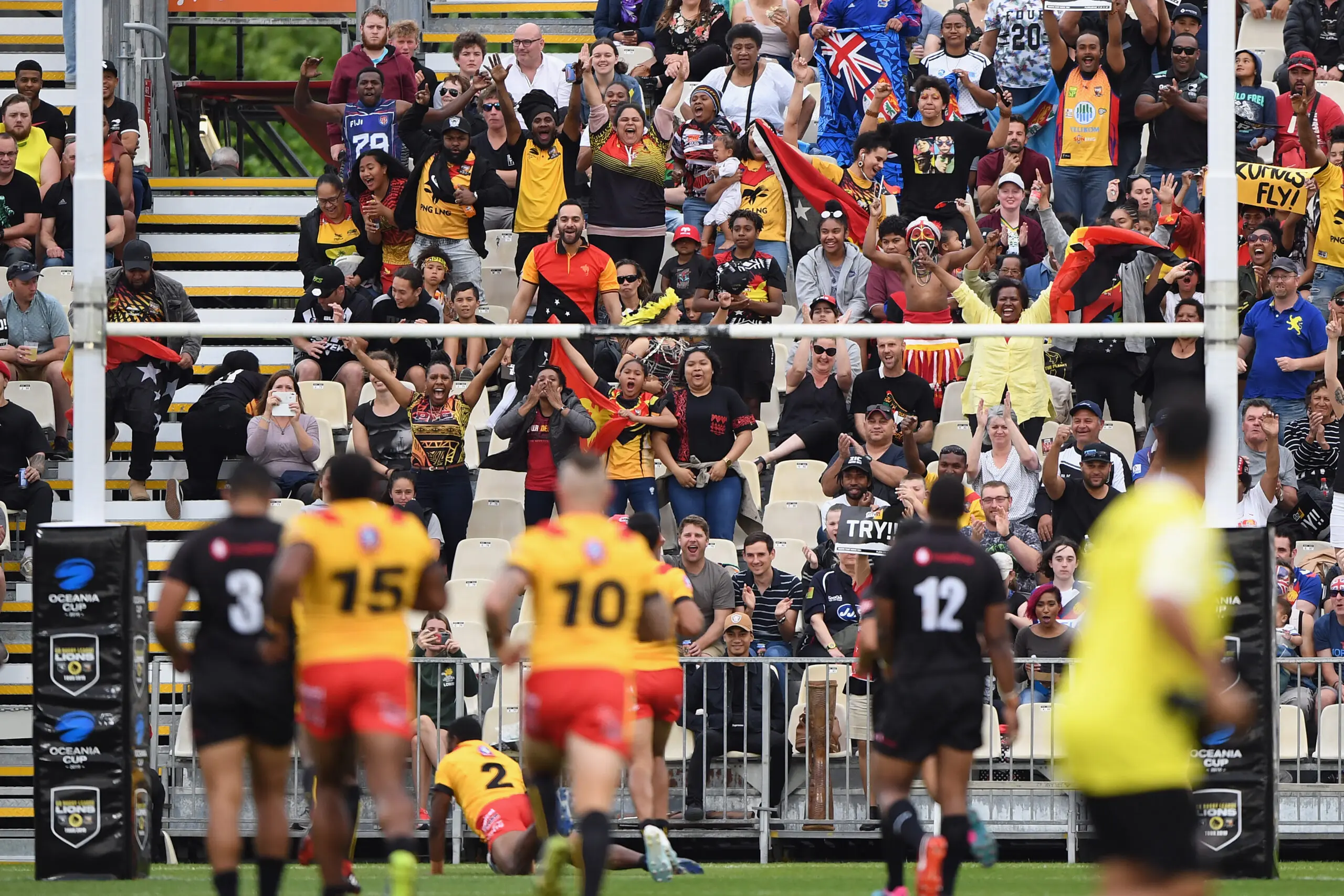
The NRL's addition of a 20th team played a substantial role in the negotiations for the TV rights arrangement, with the NRL securing a $5.3 billion deal and the certainty of a tenth game per week following the introduction of a new franchise after the PNG Chiefs.
The deal was announced on Tuesday, with V'landys confirming that New Zealand and a fifth Queensland side are neck-and-neck at this stage.
RELATED: What you need to know about the TV rights deal
"We are talking about a 20th team. It could be in New Zealand, it could be in Queensland, but we have given an undertaking to DAZN (Foxtel owners) that we will be looking at a 20th team in 2029," V'Landys said at a press conference.
"The 20th team will take a focus in the next few weeks. If we are going to have a 20th team in 2029, I need to talk to the clubs and we need to start planning, because you need to give them as much lead time as possible."

Shortly prior to the NRL's confirmation of the deal, Chalmers indicated to this masthead that the NRL and the Orcas remain in sync for the proposed entry time of the 20th team, with negotiations progressing.
"Critical to that (bid) is the key stakeholder's perspective (for) locking away the next broadcast deal, which is, from all accounts in the media, it's going to be a seven-year-deal and it's going to be a record deal, it's going to be game changing for rugby league," Chalmers said during our chat, which was a mere 20-minutes before the TV rights deals' confirmation.
"Obviously part of that is the proviso for a 20th team, I think the terminology they use in the releases that I saw, they say most likely saying 2029-2030, which correlates with what we understood the position to be after we met with Peter V'landys and Andrew Abdo."
The Orcas are also wary of the threat of Queensland Rugby League, with a fifth team in the Sunshine State featuring on V'landy's radar.
Speculation has been mounting that Brisbane's western corridor has been designated as the preferred location, with Ipswich being recognised as a potential landmark.
"But like all these things, nothing's set in stone, nothing's concrete," Chalmers added.
"There's no certainty that a 20th license will be awarded to New Zealand, there's a lot of pressure and momentum from rugby league in Australia who want to see a fifth Queensland team, and we recognise that those are also credible options."
The Orcas' last bid for a NRL license was shut down in 2024, with a reported value of $360 million behind the push two years ago.
Although the NRL was in the midst of establishing the Papua New Guinea Chiefs franchise behind the scenes, along with expansion ambitions to Australia's west coast with the Perth Bears.
Both of the NRL's bold projects were announced the following year, meaning if history is anything to go by, they will be announcing a franchise for 2029 very soon.
"The expansion of the NRL (has been) most recently over the last 20 years," Chalmers explained.
"But, following on from the NRL (was) pushing ahead with the addition of the Dolphins, and what's clearly been a strategic plan by the NRL as to what expansion needed to look like, and having gone through a process in 2024, where the NRL basically put it on pause whilst they focused on adding, what was a major deal for the game, the addition of PNG.
"Following shortly on the back of that was the running of a license to Perth, being more recently, a focus over three years to keep in the correct order what's required to justify a team for inclusion out of Christchurch."
Christchurch's new stadium was unveiled in March and holds up to 25,000 spectators in a state-of-the-art complex which has an enclosed ceiling to ensure elite playing conditions at all times on the ground below.
The $683 million project ensures an elite pedestal for the Orcas' push into the NRL, and to guarantee the 13-man code becomes the nation's number one sport over rugby union, with its rivals traditionally dominating the sporting landscape in New Zealand.










Probably better to stick with calling it a business these days and not a game. Theres no payment for doing something you love. Thats missing the point of playing a game.