


It's no secret the NRL needs to tweak the touch judging role.
Forward passes are going undetected, and replays are showing players remaining in the field of play despite the flag being raised on the spot, and so on.
But there is a solution.
The linesman will make a final call on a play deemed to what they think occurred in a split-second decision, but there is a better alternative that hasn't been explored.
In football (or soccer as most Australians would know it), the linesman or also known as the assistant referee, doesn't have the power to make the final judgement, with their role strictly to provide advising information to the main referee.
The review for an offside, handball, penalty, etc. occurs in the next stoppage of play and then becomes under inspection by the main referee following a tip-off, and then the leading ref will decide on the final call.
Under the IFAB Laws of the Game, the assistant referee can interject when:
- The ball becomes out of play.
- When a team becomes entitled to a restart, including a corner, throw-in and or goal kick.
- An offside player is actively in play.
- When a substitution occurs mid-game.
It gives the referees a chance to discuss, with the main referee given the final say.
This ruling covers all bases in the NRL.
For example, a bunch of bodies all lying over each other when someone is being dragged to the sideline, and it is unclear if they touched the white line.
The touchie holds the whistle, tips off the main referee, and it becomes under review in the next stoppage rather than relying on a 'one-and-done' mindset that can't be overruled after an initial viewing.
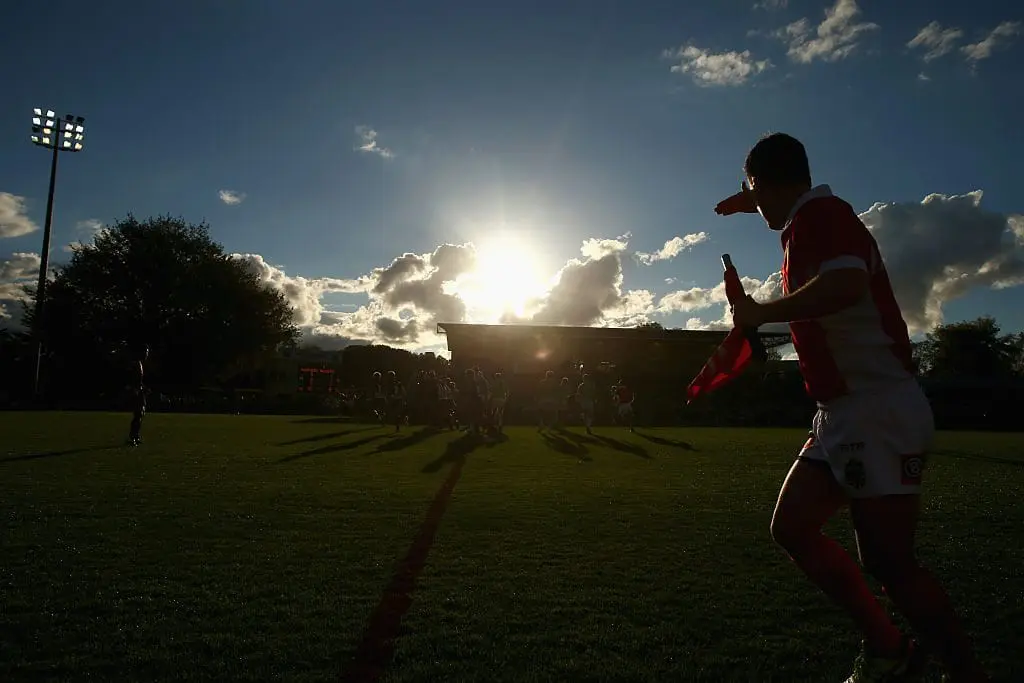
Recently we saw Jason Saab in open space on the Gold Coast on Sunday, grubber to himself, leave the field of play and regather the ball. The touch judge waved his flag and play was stopped, but replays show Saab did enough to remain in the field and continue on.
Instead of the touch judge having to make the call on the spot, they play on with a benefit of the doubt mindset, gather information to discuss with the referees, and if the Sea Eagles score on that play, it can then be reviewed by the main referee or bunker in the stoppage.
On the other side of the coin, for those calls which are missed by the sideline judges.
The Panthers benefited from a forward pass on Thursday which was missed by the touch judge, and Thomas Jenkins scored a crucial four-pointer shortly after.
Why can't the NRL go back and take the try off the Panthers upon review?
Likewise, with the St George Illawarra Dragons copping a crucial forward pass unnoticed and the call against them.
There is this rule that once the ball is played, anything before that cannot be touched on review.
Same goes for not being able to make a call in retrospect on a forward pass.
But it can easily be overwritten.
Given that action is done with tries, and everything gets checked with the Bunker. The order goes: try blown, celebrations, but then upon review it can get taken back.
It is also done when players are placed on report for infringements that happened a set earlier that wasn't picked up after play stops. Then, in the next stoppage, a referee will yell out to a player, 'So-and-so, you're on report'.
What's the difference?
Fans would argue they would much rather get all the calls right, despite it going against them, than their team be on the wrong end of a call that went unnoticed.
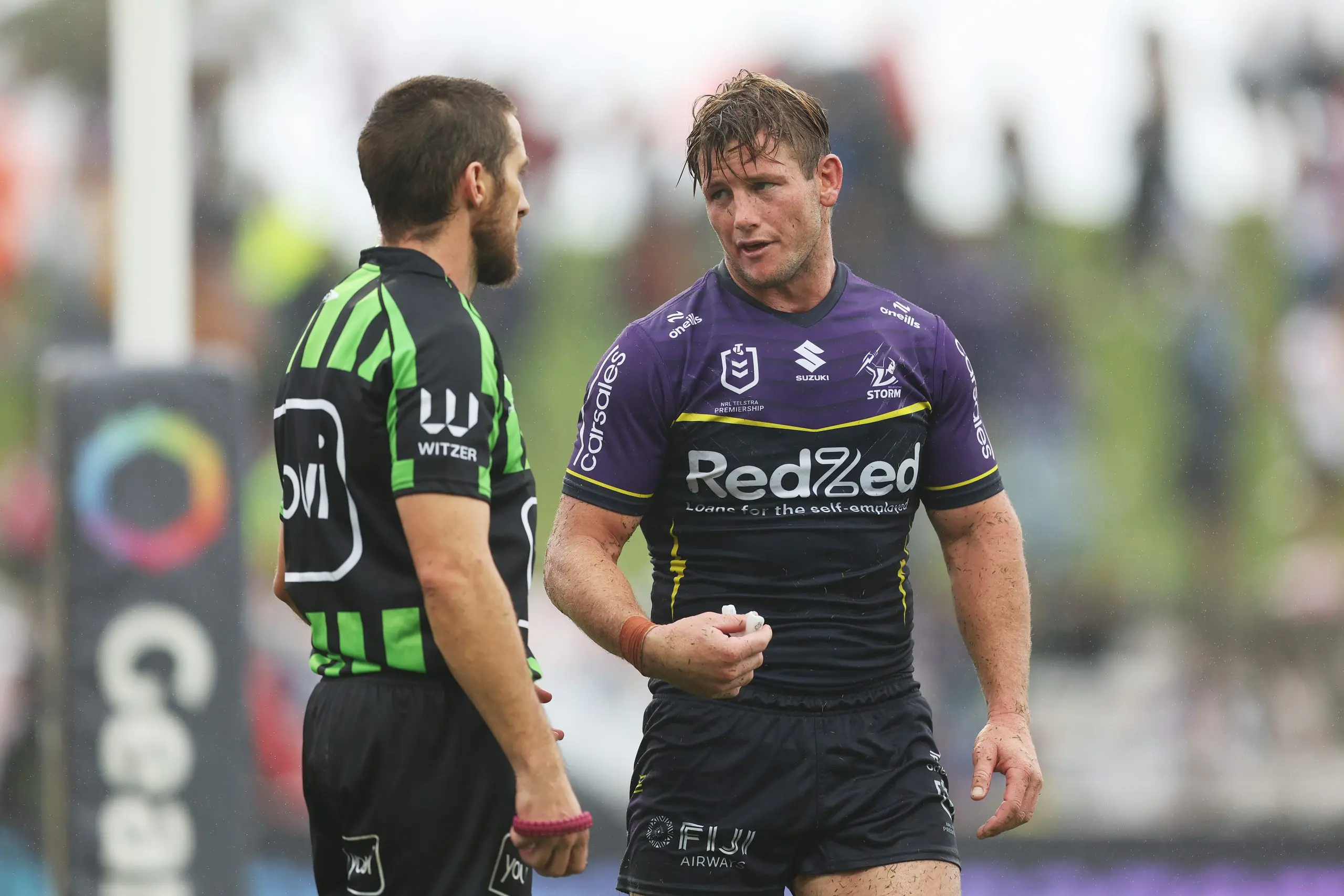
Implementing the football rule gives referees more room to work with in getting the right call made, even if it slows down the pace of the match.
There is still a world where sideline referees can have an input, but if the NRL can go back and stop some aspects of the game, why not this one?
It would dramatically benefit the problem of fans' frustrations with rulings, which seems to have reached paramount as of recently.
This isn't a dig at any referees, and I certainly understand everyone is allowed to make mistakes and the pressure-cooker environment that comes with donning the whistle.
But the football rule integration gives the referees elevated breathing room to finalise on the objectively correct decision.
Yes, we are risking the game being slowed down, but if it means getting most of the calls right, I'd consider it a positive.
But given the NRL has been looking to increase the tempo of the game in recent years, the jury is still out whether there will be any changes soon.
To ensure the NRL is providing the best possible product for its viewers amid a record-breaking TV rights deal, this slight tweak in the decision-making process should be tested in a non-finals bearing game.
With the NRL looking to trial a switch in the kick-off method, an experiment with the whistle must also be considered.









As a referee myself, i know that as a referee, it is very hard to make Sideline decision, whereas it is much easier as the Touch Judge. What tires out a touch judge is after a try, when the touch judge needs to run from behind the goal post to the other side of the other side of the field’s goal post. A better proposition is to cut down on the six agains, as they lead to more tries, therefore tiring out the touch judge, meaning they are under fatigue when a big decision needs to be made. If we have less six agains, the touch judge will have more energy and concentration to make the right decision.