The Roosters don't have a recruitment problem. They have a development problem.
Or more specifically, they have a halves development problem.
For years, the Sydney Roosters have operated with a simple philosophy: if there's an elite player available, they'll find a way to sign them. It's a strategy that has delivered premierships, representative stars and sustained relevance. But when it comes to the game's most important position, the cracks are becoming increasingly difficult to ignore.
The question is simple: do the Roosters water their plants, or do they just keep buying new ones?
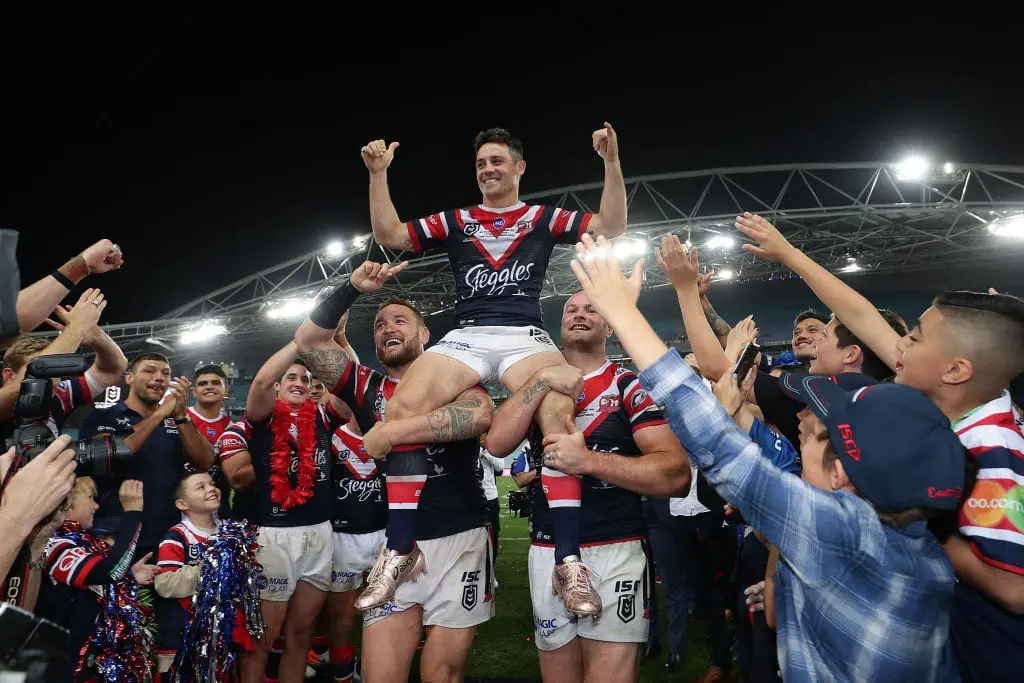
Every club dreams of producing its own long-term organising halfback. It's the position that defines premiership windows. Yet since Cooper Cronk retired at the end of 2019, the Roosters have seemingly spent more time searching for the next answer than developing one themselves.
Cronk's arrival was the ultimate short-term move, and it worked brilliantly. After his groundbreaking departure from Melbourne, he delivered two premierships to the Tricolours before retiring as one of the greatest halfbacks to wear the club's colours. The issue isn't what Cronk gave the Roosters; it's what happened once he left.
Sean O'Sullivan debuted in 2018 but managed just one first-grade appearance before moving elsewhere. Kyle Flanagan was handed the opportunity in 2020, only to last a single season as his combination with Luke Keary failed to click. Then came Sam Walker.
Arguably one of the most naturally gifted young playmakers in the competition, Walker showed flashes of brilliance from the moment he debuted. But even alongside Keary, the Roosters never consistently found the long-term halves combination many expected.
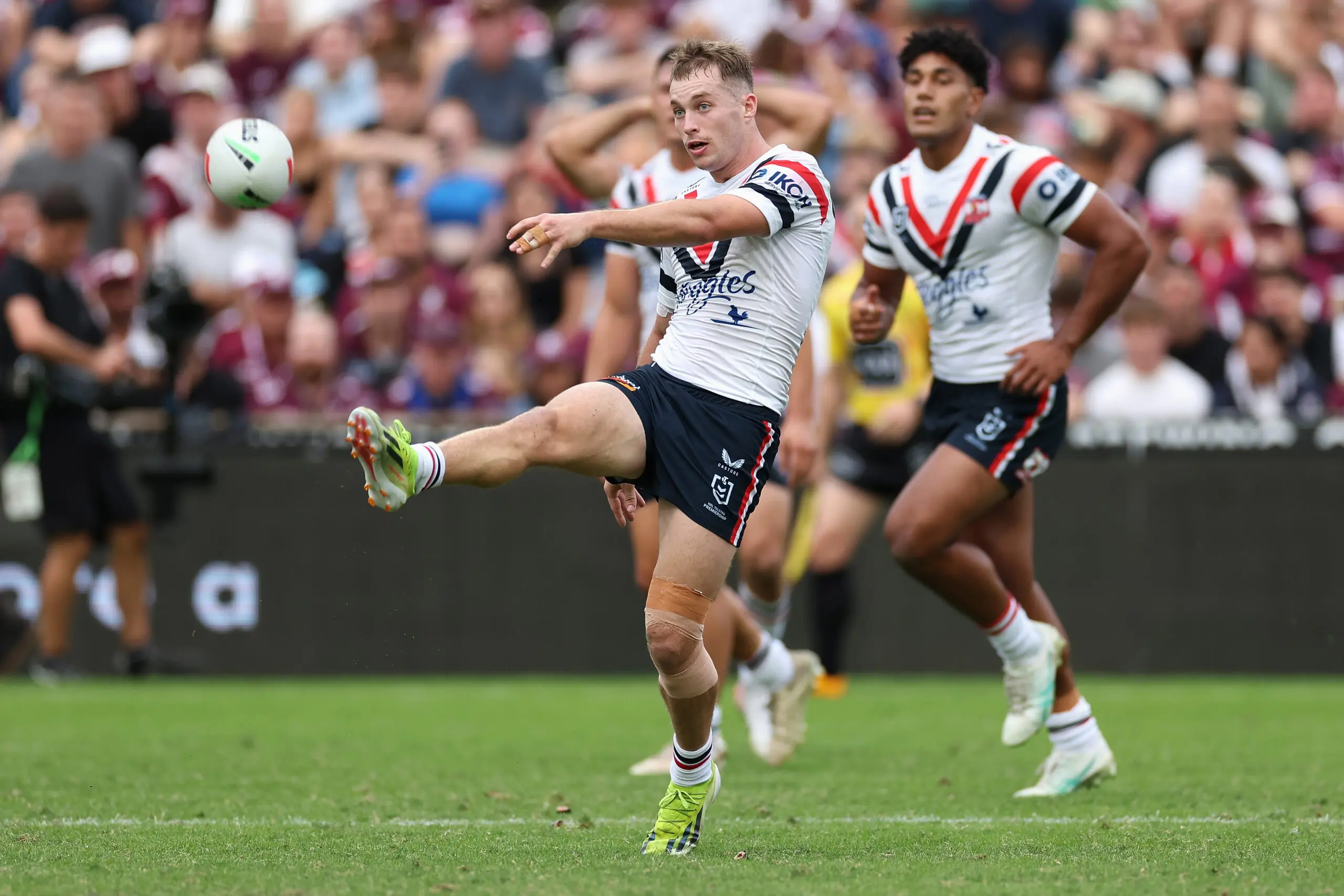
When Keary retired, it finally looked as though the club was ready to commit to its next generation. Sandon Smith and Hugo Savala battled for the vacant role alongside Walker, creating genuine intrigue over who would emerge as the club's long-term answer. It felt like the Roosters were finally prepared to let their own talent develop.
Instead, they signed Chad Townsend.
The veteran arrived on a one-year deal to provide experience, but his biggest contribution came off the field. Rather than establishing a lasting first-grade partnership, he spent much of the season mentoring younger halves in the NSW Cup. Smith eventually departed for Newcastle in search of greater opportunity, leaving what appeared to be a clear pathway for Savala to partner with Walker.
Then came the signing of Daly Cherry-Evans.
There is no questioning Cherry-Evans' quality. Even in the twilight of his career, he remains one of rugby league's smartest playmakers. But he was signed to play five-eighth and is widely expected to retire after a single season. That's where the bigger question arises. What does that actually achieve for the club's long-term future?
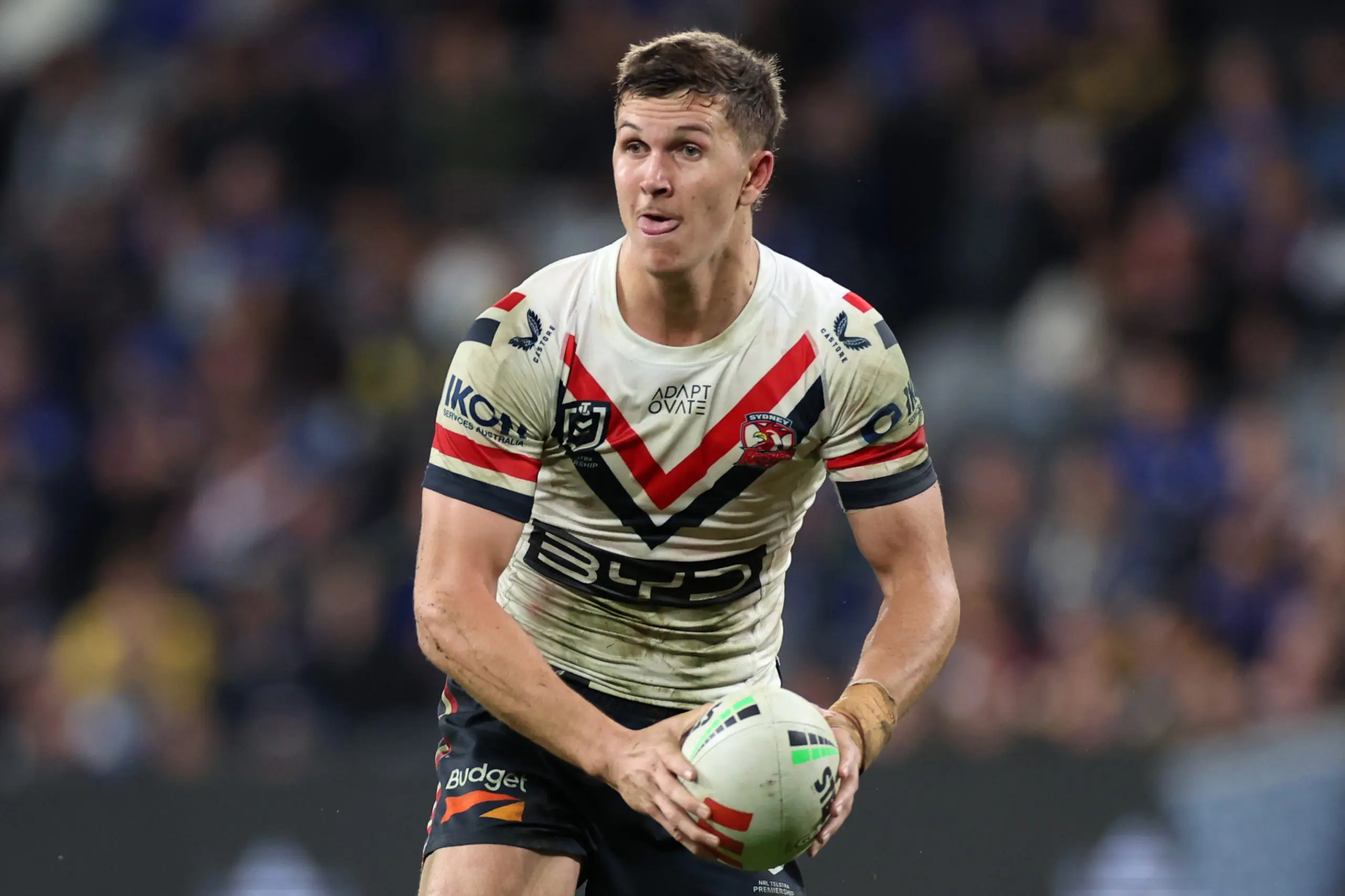
Rather than continuing his development in the halves, Savala has spent time in the NSW Cup and has even shifted into the centres before returning to the playmaking role during the Origin period. Development isn't linear. Young halves need hundreds of repetitions, making decisions, kicking under pressure and controlling games. Those instincts aren't built by waiting behind established veterans for the occasional opportunity.
That's why the concern isn't a lack of talent. It's a lack of patience.
The Roosters have every advantage a club could ask for. They boast elite development facilities, strong junior catchments in the game through the Eastern Suburbs, Central Coast and Macarthur regions, and financial backing that few clubs can rival under Nick Politis. Their back-to-back SG Ball premierships prove elite talent is still flowing through the system.
Yet somewhere between under-19s and first grade, the production line stalls.
Jersey Flegg currently sits 11th, while NSW Cup has struggled to become the genuine breeding ground it should be. The Roosters haven't won the competition since 2004, finished sixth last season, missed the finals in both 2023 and 2024 and even collected the wooden spoon during that period. Perhaps even more telling, they didn't have a single player selected in this year's Australian Schoolboys side. For a club with every possible advantage, those results simply don't add up.
Jake Elliott is another example. Once viewed as an exciting five-eighth after representing NSW Under-19s, he was shuffled between hooker, lock and the halves without ever establishing a clear pathway to first grade. He's now been in conversations with the North Queensland Cowboys in search of a new opportunity.
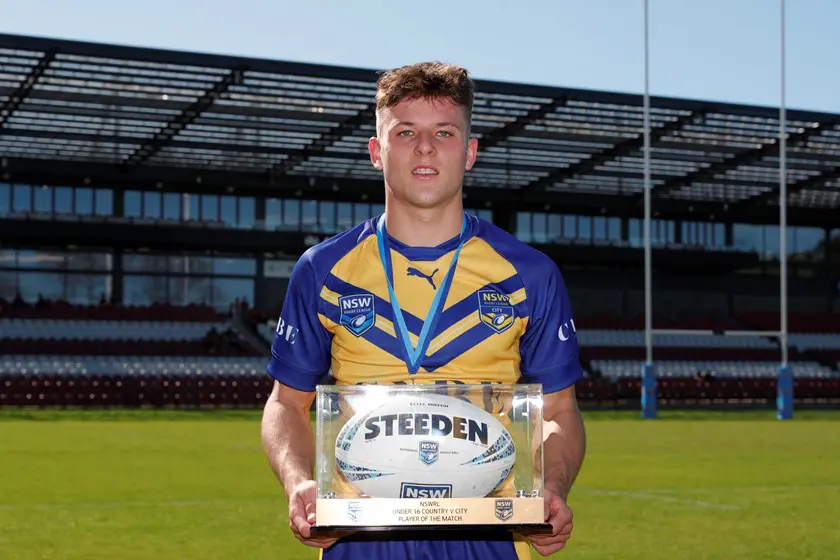
The next exciting prospect is Toby Rodwell, who debuted this season and looks capable of leading the club's future alongside Walker. But if recent history is any guide, Roosters fans would be forgiven for wondering whether another experienced stopgap arrives before Rodwell is ever given the chance to establish himself.
None of this is to suggest signing Cherry-Evans is poor business. In the short term, it's been a good football decision with the Roosters currently holding themselves in the Top 3. The concern is that the Roosters increasingly appear to be planning for the next 12 months instead of the next five years.
For too long, they've relied on James Tedesco to be the dominant organising voice because the halves around him have never fully settled. That reliance made sense immediately after their premiership success, when Tedesco was capable of carrying the side. Eventually, though, every great fullback needs great halves around him.
The Roosters' famous mantra has long been, "We play for premierships." It's an admirable philosophy, but premiership windows don't stay open forever. The best playmakers in rugby league aren't bought every season. They're developed through reserve grade, given time to fail, backed through difficult periods and trusted to grow into leaders.
That's how dynasties are built.
If they are unable to secure a premiership this season, their window for another opportunity seems increasingly slim.
Those chances become even slimmer if their star halfback, Sam Walker, decides to explore his worth on the open market from November 1.
Right now, the Roosters seem determined to keep buying new plants instead of watering the ones already in the garden. Until that changes, they may continue producing exciting young playmakers without ever truly reaping the rewards.