The New Zealand Warriors have found immense success in 2026 and have finally found the consistency that separates them from a good team to premiership contenders. It is not down to a certain player, Andrew Webster, or tactics; it comes from the culture behind the Warriors.
The New Zealand side has built a winning environment where representing the jersey is more than just putting it on each week.
Throughout the season, there has been a growing sense of responsibility, identity and belonging within the four walls of the Warriors. The pride in the culture of the New Zealand side has become one of their biggest strengths, bringing them so much success.
For a side that has struggled with consistency, the New Zealand Warriors have turned their potential from the past into the form they are in this season.
The uniqueness of the Warriors has created pressure, as they are the nation's only team playing in the NRL. The club has embraced the pressure instead of succumbing to the high stakes they play with. The connection the club has been able to form with the supporters has meant that the players are representing more than just themselves.
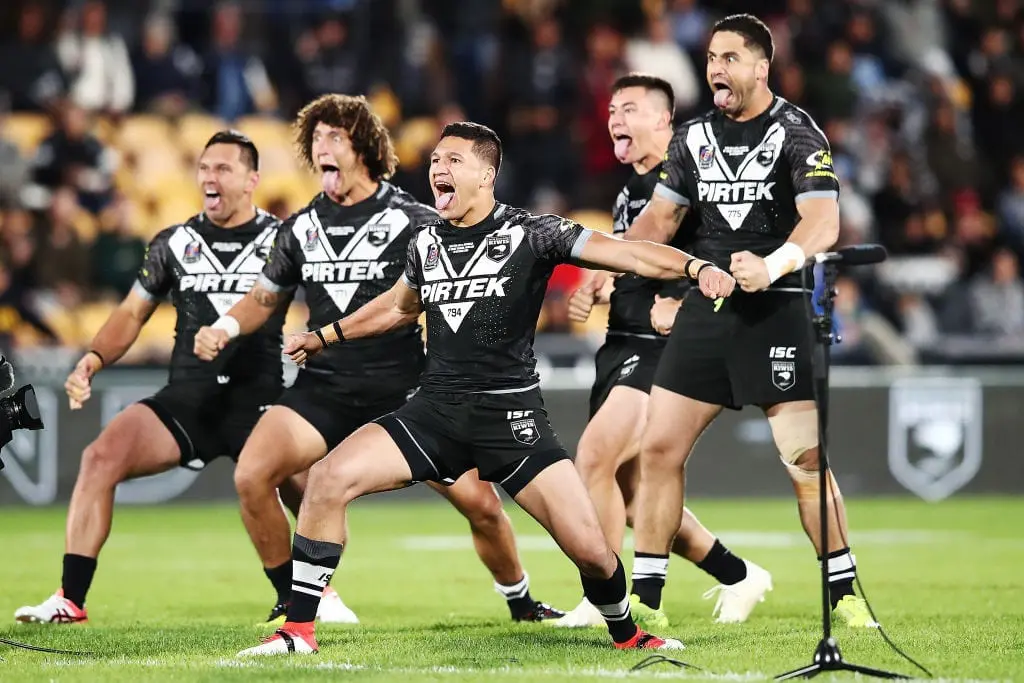
The heart of the Warriors is traced back to the culture behind the club, with the Warriors embracing New Zealand's Māori roots. The inclusion of the Haka during Indigenous Round showcased the culture that lies within the side. James Fisher-Harris spoke in 2025 about the importance of the Warriors having their own Haka that could belong to everyone: Māori, Pasifika or Australian. The star said, “I think it's time we have our own haka”. With the Haka being a Māori tradition, the inclusion of different cultures strengthens the key that unites the club.
With the introduction of Ngā Tamatoa, the Warriors team was seen as united and powerful during the haka. Their inclusion of Māori, Pasifika, and Aboriginal culture in the Haka line, with the Australian players behind them, demonstrated how the club centres its identity around diversity.
Rival clubs certainly welcome cultures, but with the Warriors being exclusive to New Zealand, they cannot replicate what the Warriors bring to the competition. The club has created a sense of belonging for their players and a culture that welcomes all, which is a fantastic representation of what New Zealand is.
The Māori culture may be the roots of the New Zealand club; however, their Pasifika players bring their own culture and strengths to the side. Pasifika players are embedded in every team across the NRL and have provided the future for Pasifika players to make their own mark in the competition.
After the side performed the haka, the Warriors put on a dominant showcase against the premiership favourites, the Penrith Panthers. The energy the players possessed after showcasing the club's cultural ties was substantial. Many fans discussed whether the Haka could be used more often, as it was extremely significant to the nation of New Zealand.
Although a haka may not guarantee a win, the inclusion of culture drives players to perform and welcomes an open playing environment. Players who feel connected to the squad and the club typically show up each week to win. This makes the jersey more than a jersey; it brings a sense of commitment to what the club has built. Andrew Webster and his coaching staff have built a diverse environment, and culture thrives within the club.
While culture alone doesn't bring New Zealand a premiership, it certainly provides a strong foundation with the support of a nation behind the team. This could be the difference between a promising season and history.