

Premiership-contending squads don't consist solely of marquee stars on massive pay packets.
With the NRL salary cap sitting at $11.95 million and clubs dumping upwards of 25 per cent of cap space to marquee roster positions, how the excess cap space is managed for the remainder of the Top 30 roster is crucial.
Across the NRL approximately 25-35% of the salary cap is spent on the Back 5. Spending less on a Back 5, without compromising on the quality would allow valuable cap space to be redirected into assembling or maintaining marquee halves or elite forward options, needed to contend for the premiership.
This Bargain Back 5 provides NRL clubs with a cost-effective, functional, position-specific backline that doesn't break the bank, but also doesn't compromise when it comes to quality.
Fullback: William Kennedy ($350,000)
The value ratio
Fullback is historically one of the most expensive positions in rugby league, with outlay from some clubs climbing between to north of a million dollars per season. Elite custodians such as James Tedesco, Tom Trbojevic, and Kalyn Ponga all occupy this upper tier.
The moneyball case
Operating at roughly 30% of marquee market value after accepting a reduced deal at Cronulla due to salary cap pressure, Kennedy provides close to elite level output as a custodian.
A capable ball player, particularly out of block plays, excellent support and hole runner and with sound positional sense at the back, Kennedy represents supreme value for money in the fullback role.
Winger: Sunia Turuva ($450,000)
The value ratio
Elite yardage wingers such as Brian To'o and Xavier Coates routinely command $700,000 per year or more.
The moneyball case
Sitting $150k to $250k below top-tier yardage wingers, Sunia Turuva's run metres and post-contact work make him exceptional value for money.
Averaging over 150 run metres per game and doing the heavy lifting out of his own end, Turuva provides premium set-starting output without a top-tier price tag.
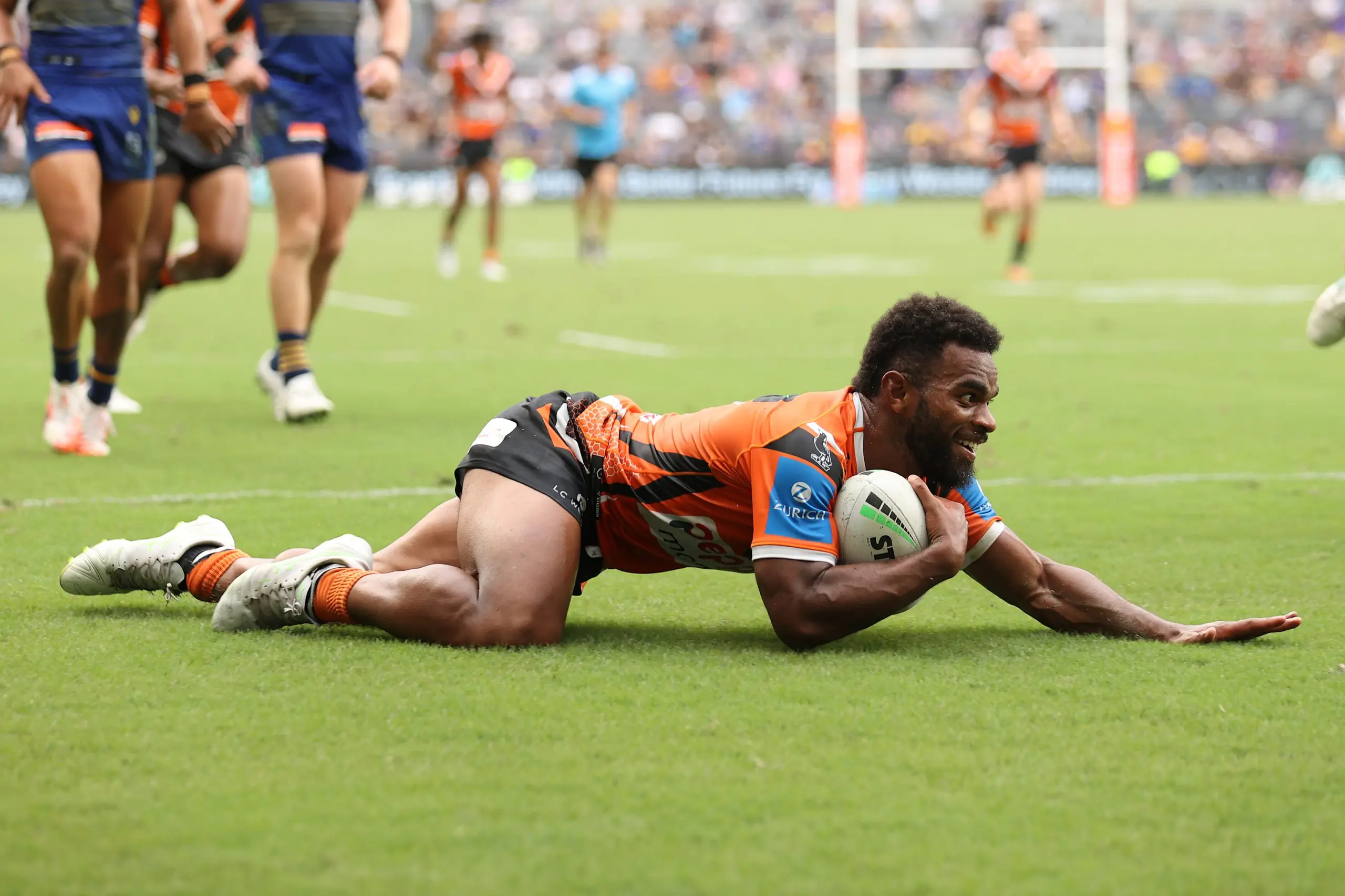
Winger: Alofiana Khan-Pereira ($400,000)
The value ratio
Premium finishers often have their market values inflated, particularly when they possess genuine top-end speed in an open market.
The Moneyball Case
Alofiana Khan-Pereira brings express pace with a strike rate that sits near a try per game. A scoring threat from anywhere on the park, his ability to turn half-chances into points gives a team elite finishing capability without taking up significant cap room.
Centre: Will Penisini ($425,000)
The value ratio
Elite defensive centres who at the same time provide high yardage and post-contact metres out of their red zone can often command up to $800,000 on the open market. That figure could climb further with the likes of Herbie Farnworth about to negotiate his next deal.
The moneyball case
Penisini is an elite right edge defender, with a high tackle efficiency of 85-88 per cent across his career, well above average in a position that requires significant defensive decision-making.
At the same time, he consistently generates 135 metres to 140 metres per game on hard early-set carries. His contract sits at roughly half of what a marquee rep centre earns while putting up near-identical work rates.
Centre: Jack Bostock ($275,000)
The value ratio
Young, physically dominant outside backs with high-volume yardage and upside often cost $450,000 to $600,000 once established.
The moneyball case
Jack Bostock represents an ideal value piece for any backline, occupying just approximately 2 per cent of the total salary cap.
In a position vital for the offensive and defensive success of any side, his height provides protection in defence for teams kicking into this space, but also represents a target at the other end of the park.
This combined with high work rate coming out of the defensive end and strong finishing capabilities, lock him in as the final piece of the bargain backline.
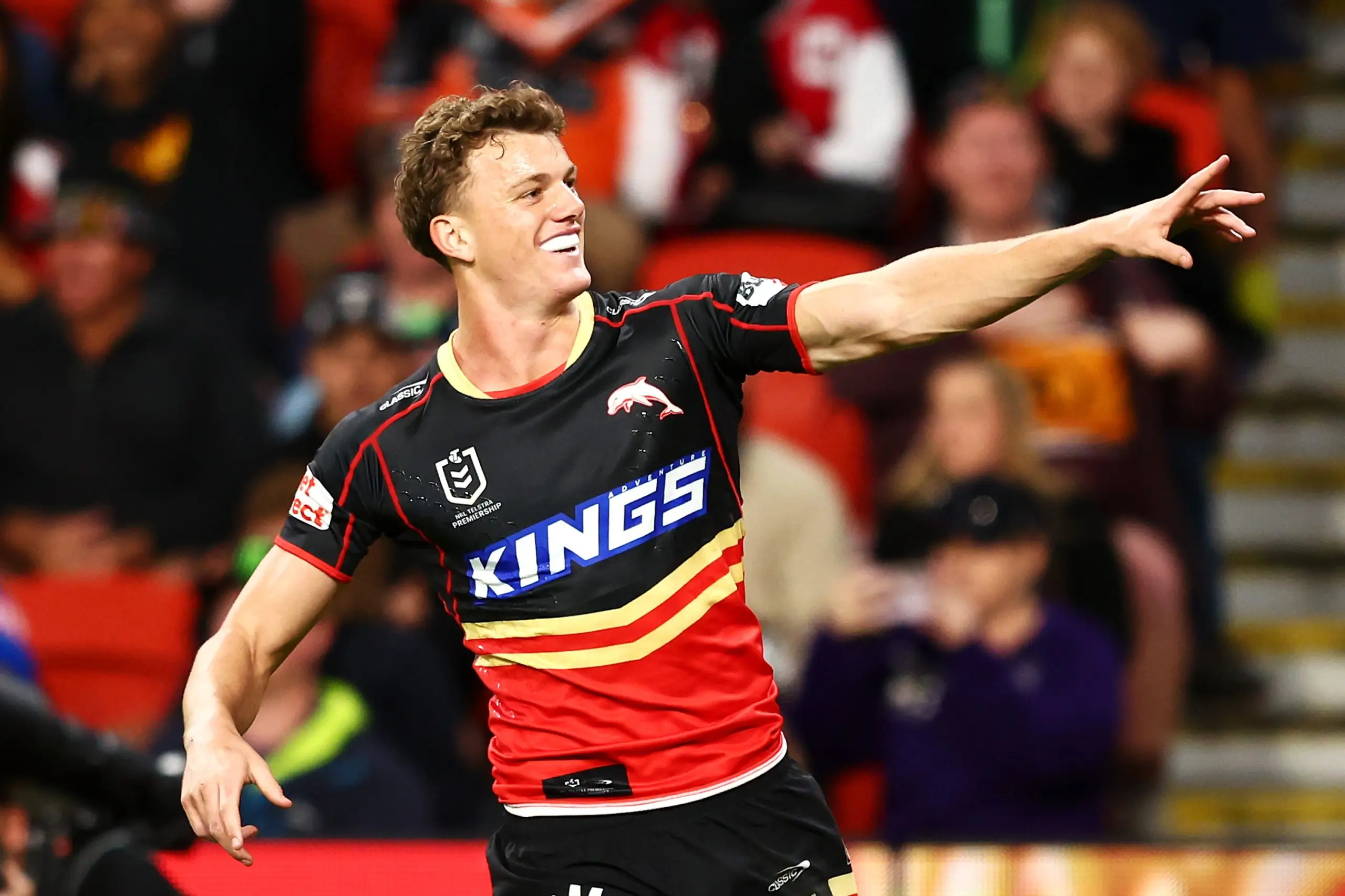
The verdict: Salary cap breakdown
NRL top 30 salary cap: $11,950,000
Total cost of bargain backline: $1,900,000
Percentage of cap used: 15.90 per cent
By committing less than 16 per cent of the salary cap to the starting back 5, over $10 million in salary cap space is protected for allocation elsewhere.
That extra cap flexibility enables a club to comfortably secure two marquee spine stars alongside an elite front-row rotation.