



State of Origin 2 provided yet another timely reminder of one of the most misunderstood truths in rugby league. The best players do not always make the best team.
Every year when representative squads are announced, the debate follows a familiar pattern. A player misses selection, supporters are outraged, former players weigh in, and social media fills with complaints about how selectors have supposedly got it wrong.
Does this ring a bell with regards to the build up to this one? Haumole Olakau'atu anyone?
The argument is almost always the same: if a player is talented enough, if he has performed at a high level previously, or if he has a strong reputation within the game, then he deserves to be selected.
The reality is far more complicated than that.
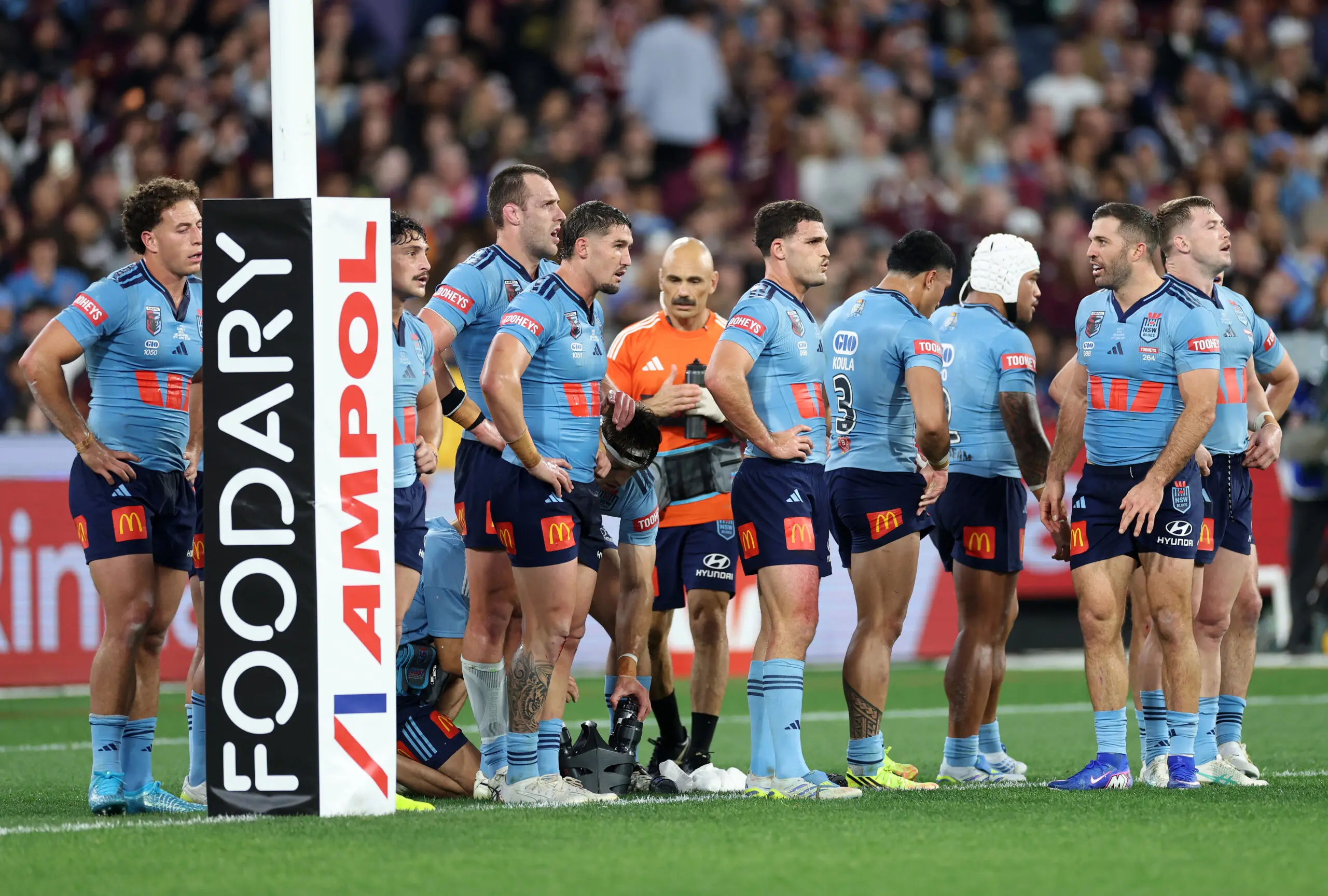
Selection is not about rewarding the most talented individuals. It is not about recognising career achievements, repaying loyalty or acknowledging what a player did six months ago.
And it is definitely not about listening to the media.
Selection is about one thing and one thing only: giving your team the greatest possible chance of winning the next game.
As New South Wales prepare for another week of well-deserved scrutiny following their abject defeat in Melbourne, it is worth them revisiting a lesson that many of the game's most successful teams and coaches have understood for decades.
The best teams are rarely built by simply selecting the most talented collection of players available. They are built by finding the right balance of players, the right combinations, the right roles and the right personalities to function as a team.
That sounds obvious, yet it is a lesson New South Wales seems destined to relearn in most representative seasons.
On paper, New South Wales entered this, and every other series with an extraordinary amount of talent.
Across the NRL there are very few positions where the Blues do not possess multiple elite options. In many cases, there are players missing selection who would comfortably walk into representative teams in previous eras.
Yet despite that depth of talent, the Blues have once again found themselves facing difficult questions after an Origin defeat that leaves them needing a win at the Cauldron that looks as likely as Elvis making a comeback tour.
The reason is simple. Representative football is not played on paper.
The challenge facing selectors is not identifying the best players. Anyone can do that. Most fans could comfortably name the ten or fifteen most talented players available to either state.
The difficult part is determining which combination of players will function best together under the pressure of Origin football and that requires a completely different way of thinking.
Instead of asking "Who are our best players?", selectors must ask "What is our best team?" Those questions sound similar, but they often produce very different answers.
The coach has to have a way of playing in mind, a game plan to beat the opposition and then has to select a team based on that in conjunction with the selection panel.
One of the biggest traps in representative selection is falling in love with individual talent while overlooking team function. Great players can certainly win matches, but they can also create problems if their strengths overlap, if their roles become unclear or if their inclusion creates weaknesses elsewhere in the team.
How much has Nathan Cleary suffered because Laurie Daley picked James Tedesco, for example?

Tedesco is playing a bigger role than that of a fullback in his club side, the Roosters. He is often getting in at first receiver trying to dictate the next play.
Yet, how many times did he get in the way of Cleary, Moses and Strange in the first two games? If not always with actions, but with organisational tips and direction?
Sometimes two outstanding players bring similar qualities to a side, leaving other areas exposed. Sometimes a player who is individually less talented provides balance that allows other players to perform more effectively.
The greatest example of this remains Queensland's “secret sauce” that very much like a successful recipe after the first two games.
Year after year Queensland find ways to win, while the Blues seem to be adept at finding ways to lose.
And this year, even when the Blues won, they lost! They made more unforced changes than Queensland for the trip to Melbourne thanks to their poor first hour in Sydney.
Queensland on the other hand is built on role clarity and cohesion. Every player understands exactly what is required of them. Players accept their role, including simply doing the countless unnoticed tasks that help teams succeed.
The interesting discussions surrounding New South Wales before Origin 2 centred around players carrying injury concerns, players whose club form had fluctuated and players being asked to perform unfamiliar roles.
Origin is the most unforgiving environment in rugby league. It does not care about previous achievements, what a player did last season or what he might be capable of producing on his best day. It only cares about performance in the present moment.
Systems matter. Culture matters. Role clarity matters.
These factors may not generate as much discussion as individual talent, but they often determine who wins and who loses at the highest level.
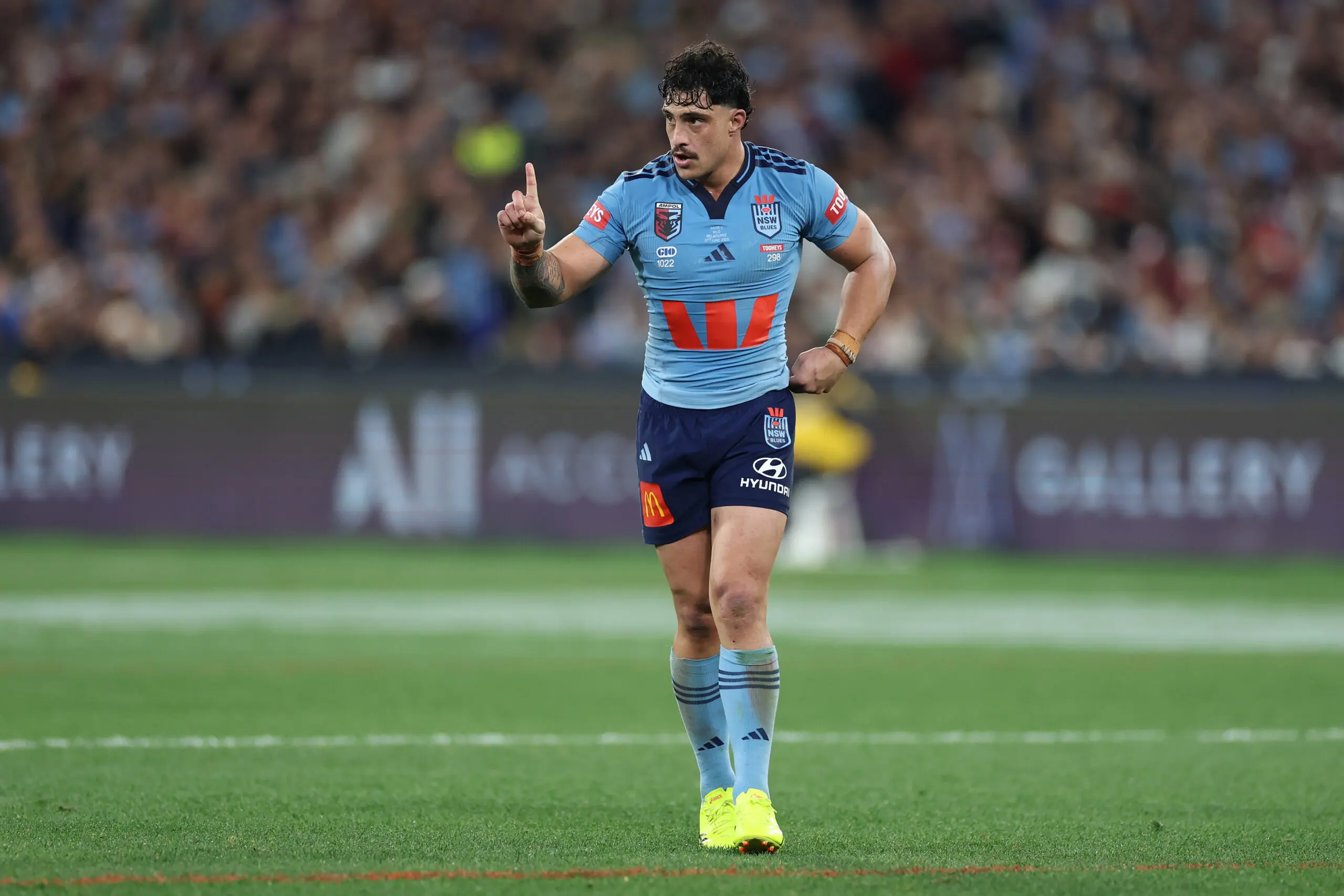
The player who improves those around him can often be more valuable than the player with the most natural ability. The player who accepts a difficult role can sometimes contribute more than the player chasing personal recognition. The player who creates positive standards and behaviours can influence results long after the final whistle.
As the conversation inevitably turns towards Game 3, there will once again be endless debate about who should be selected, who should be omitted and which changes should be made. I found it interesting that the first name mentioned in the coverage was Lattrell Mitchell – yet another player under a huge injury cloud who the media are clamouring for, to get a call up.
I think getting an attack with some clear direction and moving parts that compliment rather than confuse each other is a priority. Once New South Wales get that right, they have enough talent available to pick whoever is available and they would take some serious stopping.
The Blues attack is awful. In Game 1 it was too structured and straight. In Game 2 it was too lateral and went sideways too much. Their two tries when the game was in its infancy were handed to them by Maroon errors in their own ten-metre area. Their third try was genuinely created, but only after Queensland had given them possession twenty metres out rather than ten.
A good coach would know what to do to fix this. Unfortunately for New South Wales, he's a coach under siege and with a track record of failure.
Above are some of the key reasons why.









Gawd ‘elp us, Lee.
Everything you say is a statement of the bl**ding obvious, yet far too subtle for the current NSW coach and selectors to understand and internalise !