The 2026 NRL season has only just begun, but refereeing decisions and rule changes are already dominating headlines. Tight finishes and contentious calls have once again reminded fans and players alike how quickly a single ruling can shift the outcome of a game.
One recent moment in particular sparked fresh debate.
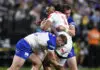
During a golden-point finish involving the Bulldogs and Dragons, a disputed decision ruled that Canterbury's Bronson Xerri had been stripped of the ball rather than knocking it on. The call handed the Bulldogs a penalty in attacking territory, creating the field position that ultimately led to a match-winning field goal.
The moment immediately raised questions about whether captains should regain access to a challenge in golden point, even if they had previously lost it earlier in the match.
Speaking on The Boardroom podcast by Zero Tackle, hosts and former NRL players Ryan Hoffman and Chad Townsend argued the situation exposed a gap in the rules, despite an influx of new changes.
“The interesting thing I think that came out of it in that second game is, should the captain's challenges be reinstated in Golden Point?” Hoffman said.
“I can't believe we hadn't thought of this before.”
While the idea of tweaking the captain's challenge rule remains hypothetical for now, the discussion highlights a broader theme early in the 2026 season: how much the game continues to evolve through rule adjustments.
This year alone has already introduced several changes that could influence tactics, coaching and even the way referees shape the flow of matches.
Hoffman and Townsend dissected these changes through the lens of ex-players and evolving coaches.
4. Six-Again threshold reduced to 20 metres.
Another rule tweak expands the six-again rule, with certain infringements beyond the 20-metre line now resulting in a restart of the tackle count rather than a penalty.
The aim is to keep the ball in play longer and increase entertainment value, but it also continues the shift away from traditional set-piece rugby league.
Townsend shared his view as a halfback, particularly because of what it removes from attacking strategy.
“I'm with you, Hoffy. I have never been a fan of six again. I am a big fan of the set piece,” Townsend said.
“Executing (a set piece) was one of the best feelings in the world.
Hoffman believes the rule also changes how pressure develops during a match.
“Putting pressure on teams has gone away from building arm wrestle sort of pressure,” Hoffman stated.
“I know the referees are referring within the rules, but they can make a snap decision like that and just six again, but there's not going to be talk about it. It's just moved on.”
When officiating controversies collide with structural changes to the rulebook, the impact can feel magnified. What might once have been a marginal decision can suddenly shape a match in completely different ways.
As the 2026 season unfolds, those conversations are likely to continue — not just about referees, but about how the modern game is being reshaped around them.
Get set for the footy with the FREE Zero Tackle 2026 NRL Season Guide! Packed with 130+ pages of player profiles, team previews, insights and analysis, the 2026 NRL Season Guide is built for fans who want the full picture. Download your free Season Guide HERE.